Building date: 1840s or 1850s
Original use:
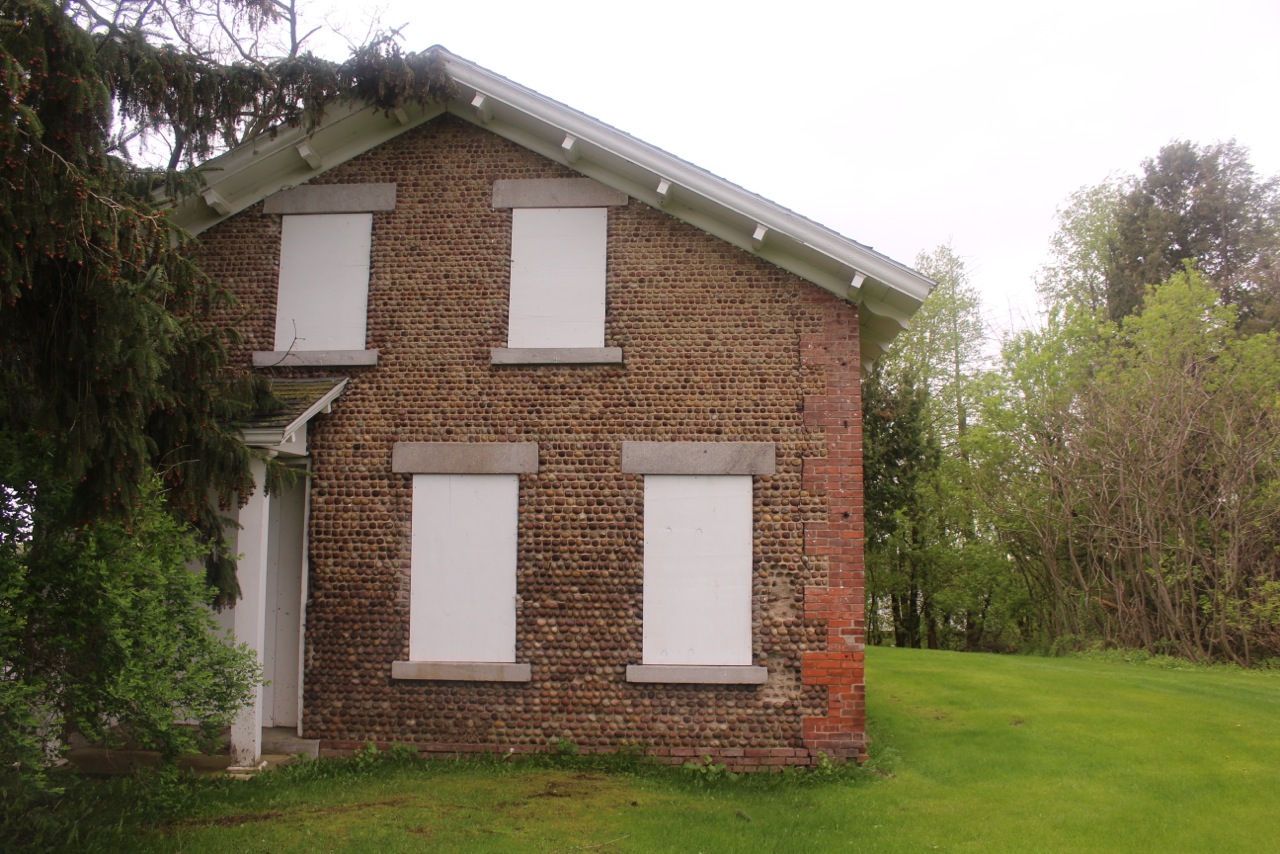
Corner structures: Red brick quoins, 2½ bricks long and 4 bricks high.
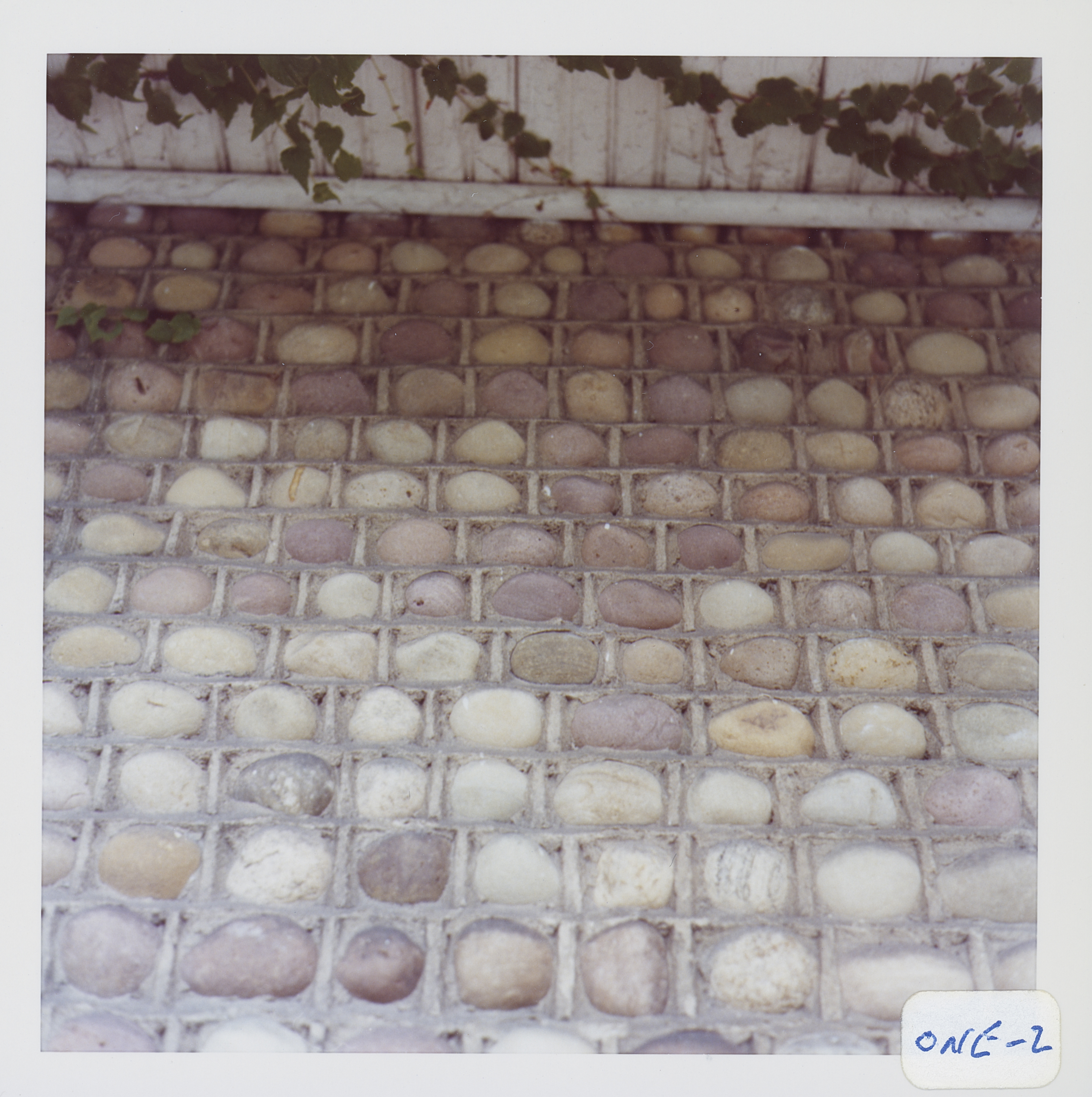
Mortar application and content: Horizontal and vertical similar. Mortar looks square.
Types and uses of stones: Small, various colors
Types and choice of windows: Lintels and sills are gray limestone
Structures with similar masonry details:
Masons who worked on building:
Unique features:
Map views courtesy Google Maps. Address is Google Earth confirmed; 43°09'29.51"N 75°18'20.30"W. Current owner of record, State of New York.
Town of Marcy and Oneida County Maps
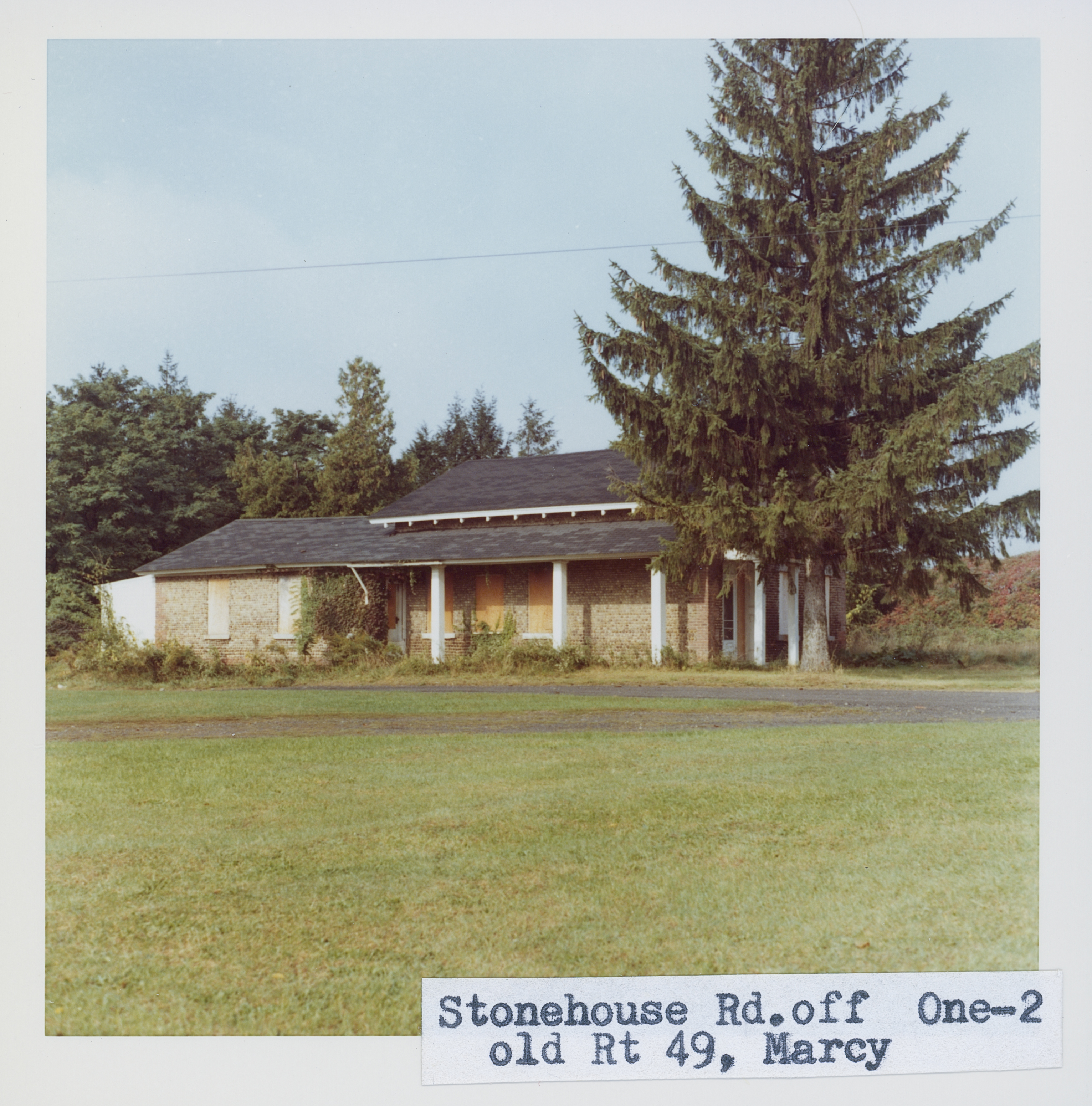
This is a one and one-half story house on Stone House Rd., off old Rt. 49 in Marcy, and has brick quoins and the cobblestones are laid on a brick foundation. The front wall has the mortar flattened on its outer surface, and at each stone the mortar is separated from the stone so that the stone appears to protrude from a solid mortar box. On the unweathered side under the porch roof, the stones have a similar aspect, but careful observation reveals that the space between the mortar and stones is greater than it is in the front, thus making it look as if the stones are lying on the bottom of the mortar boxes. Thus the handling of the stones is similar in general, but it is probable that the walls were constructed by different masons. Window lintels and sills are gray limestone. Roudabush Survey page 77.
This cobblestone house was originally part of the Merchant Mayhew Farm along Old River Road in the town of Marcy at what was once called Carey's Corners. This and adjacent properties were developed as Marcy State Hospital in the 1920s. Eventually this became a large complex of buildings and grounds covering about 1,000 acres.
When a young man, Mayhew settled in the town of Marcy and married Hanna Haskell. It is believed the house was built in the 1840s or 1850s. The Mayhews had two children. Mr. Mayhew died in 1864. His son, Mortimer, continued to live in the cobblestone house the rest of his life. Like his father he was a farmer, and was involved in local politics. He was a champion skeet shooter. In the 1920s the farm was purchased by the state.
The house was renovated and became the residence of the farm superintendent as well as for offices. Other buildings were added over the years. The area where the cobblestone house is located came under the jurisdiction of Marcy Correctional Facility in 1989. The house is no longer used but has been preserved. It is only one of two cobblestone houses in Oneida county. The quoins are of brick instead of limestone. Richard Palmer blog.
 Mar_1_1.jpg | 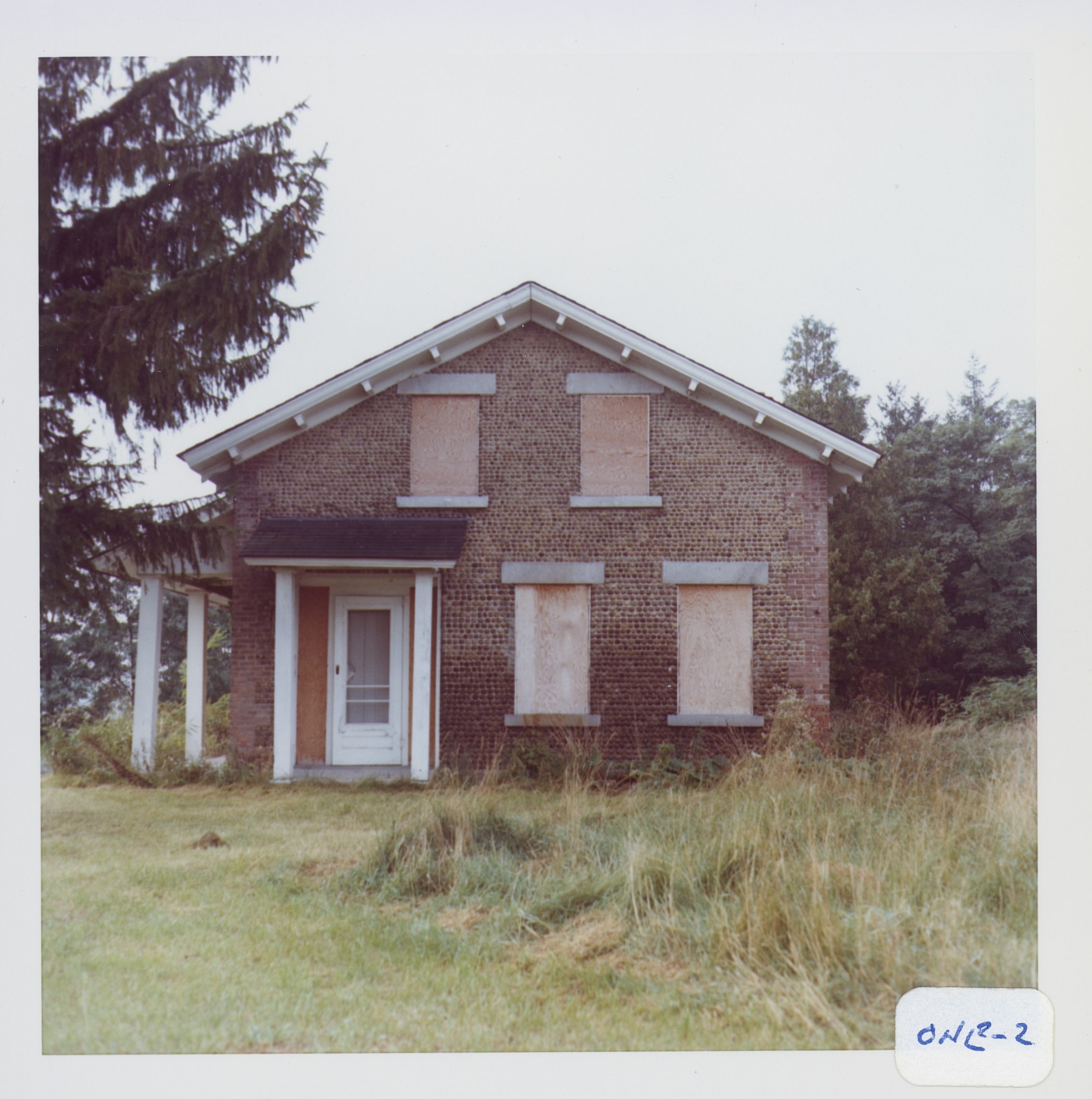 Mar_1_2.jpg | 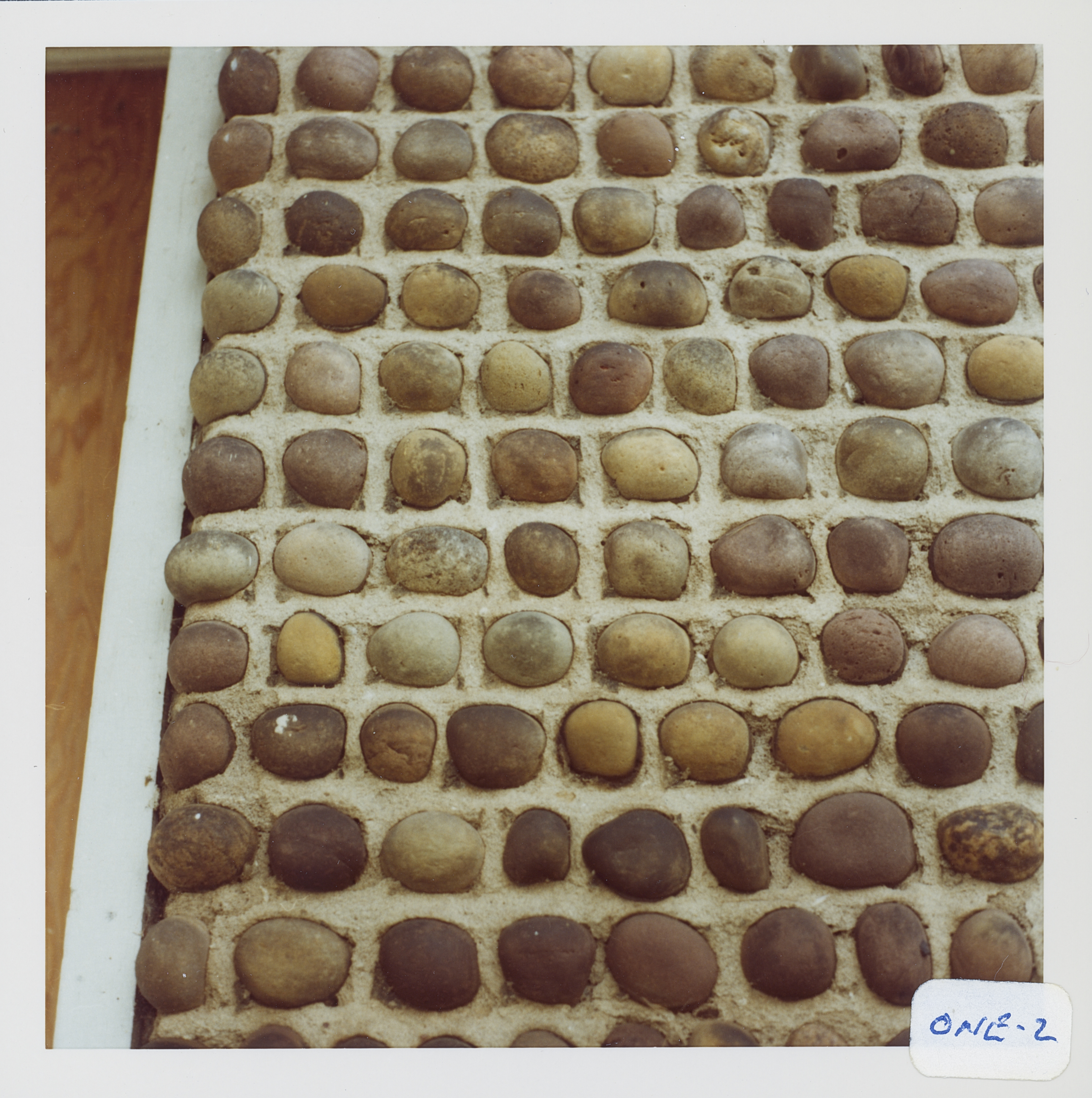 Mar_1_3.jpg | 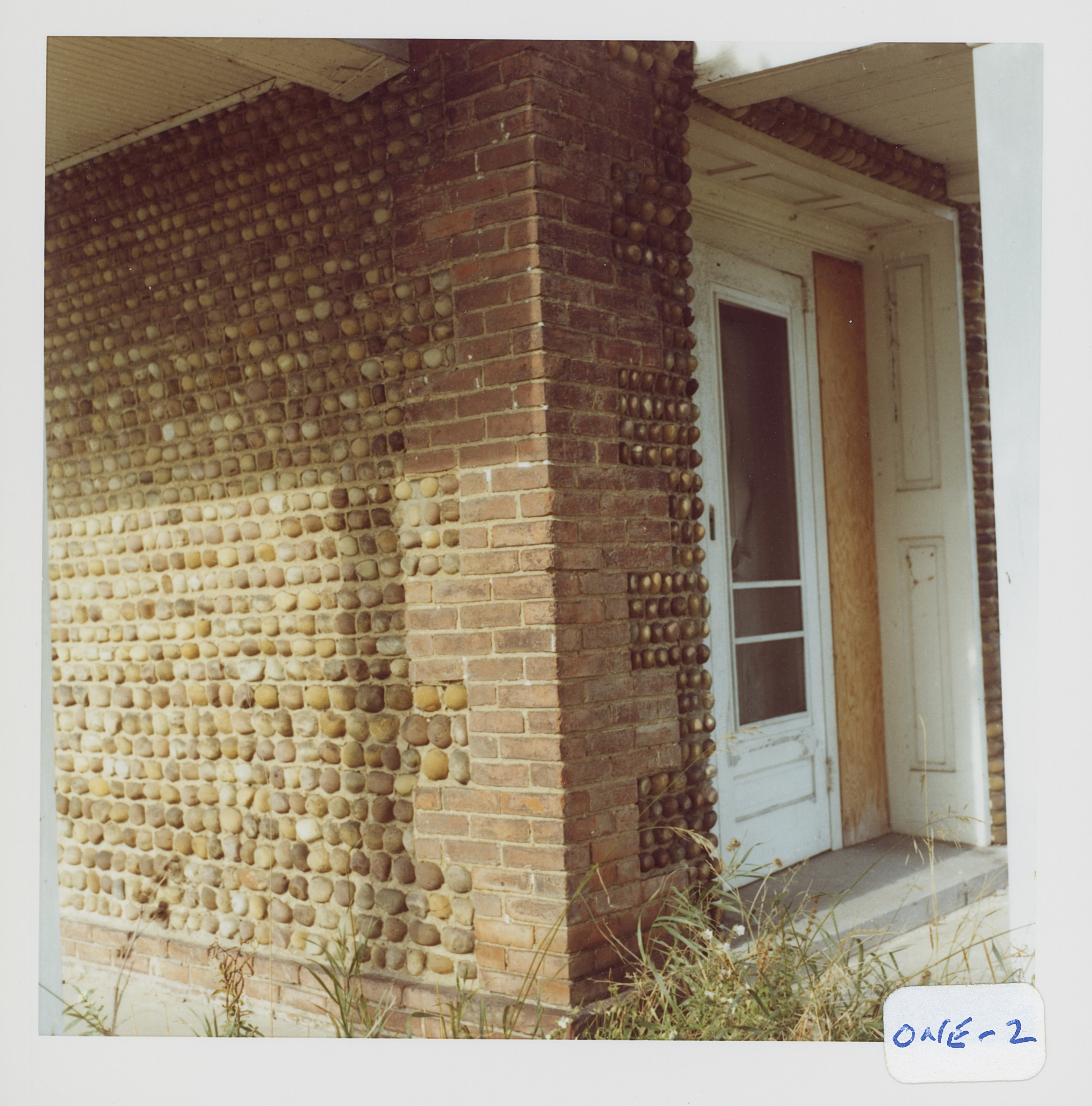 Mar_1_4.jpg |
 Mar_1_5.jpg | 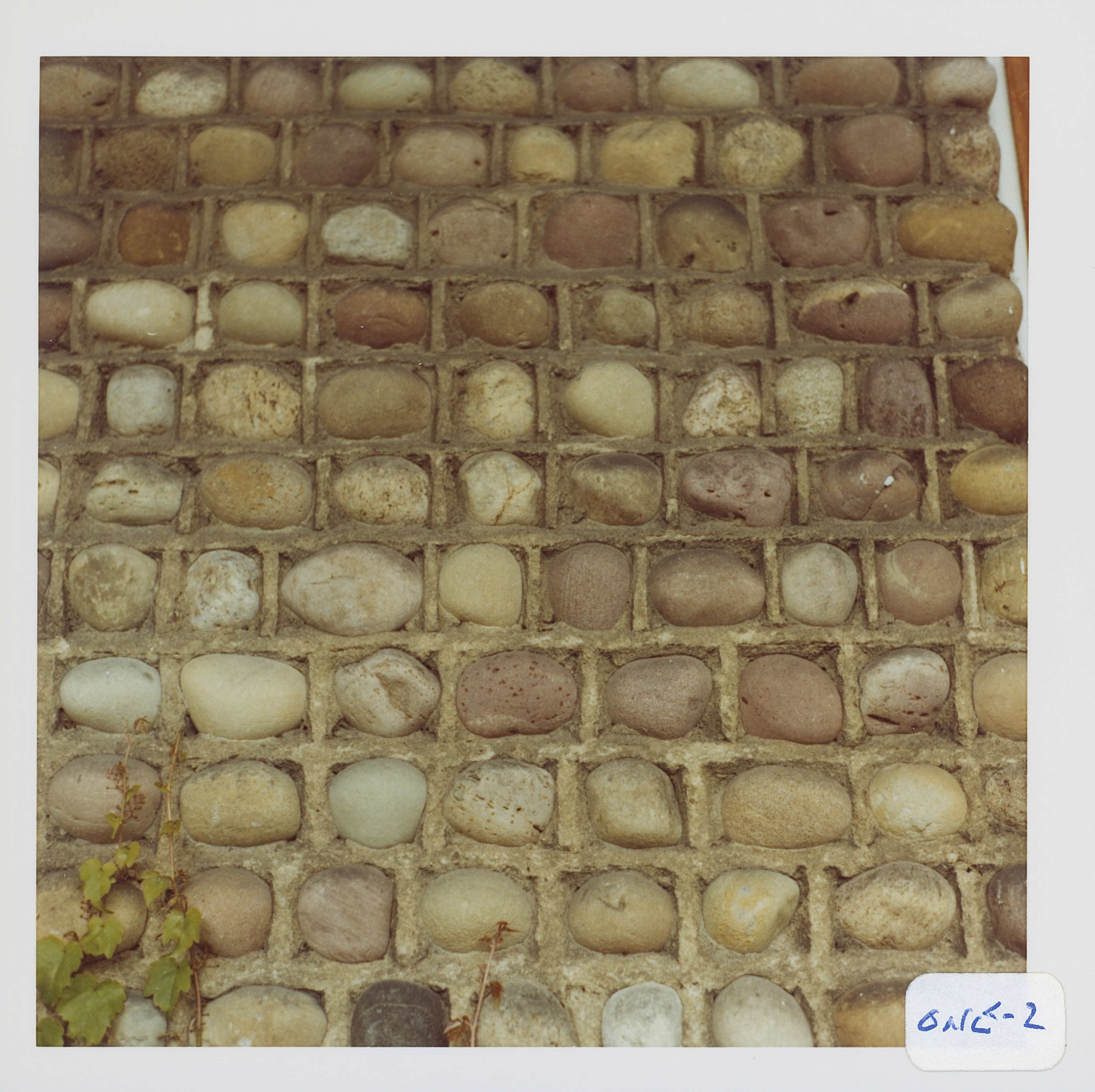 Mar_1_6.jpg | 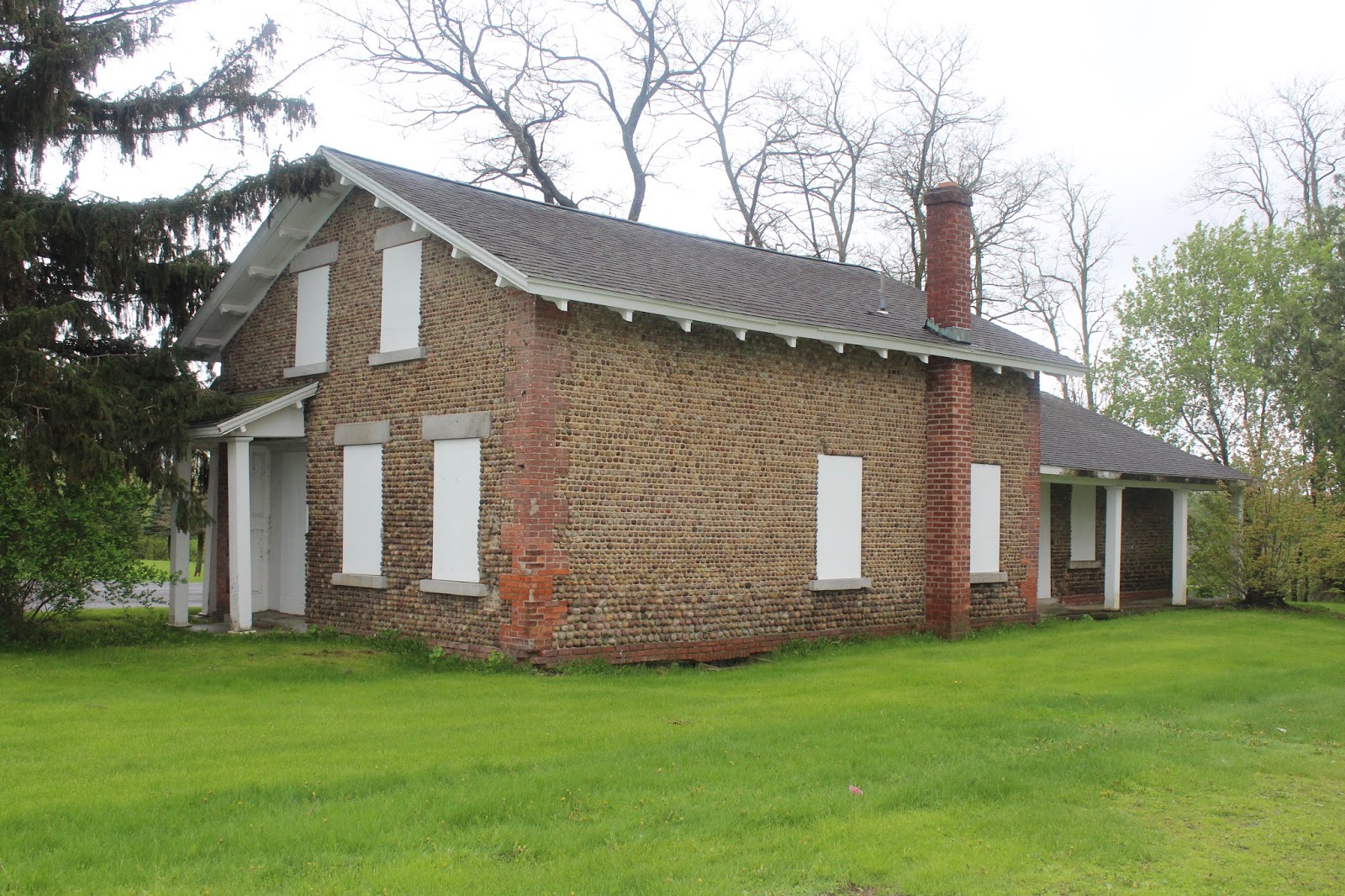 Marcy 1.jpg ¹ |  Marcy 2.jpg ¹ |
 IMG_0618.jpg ¹ | 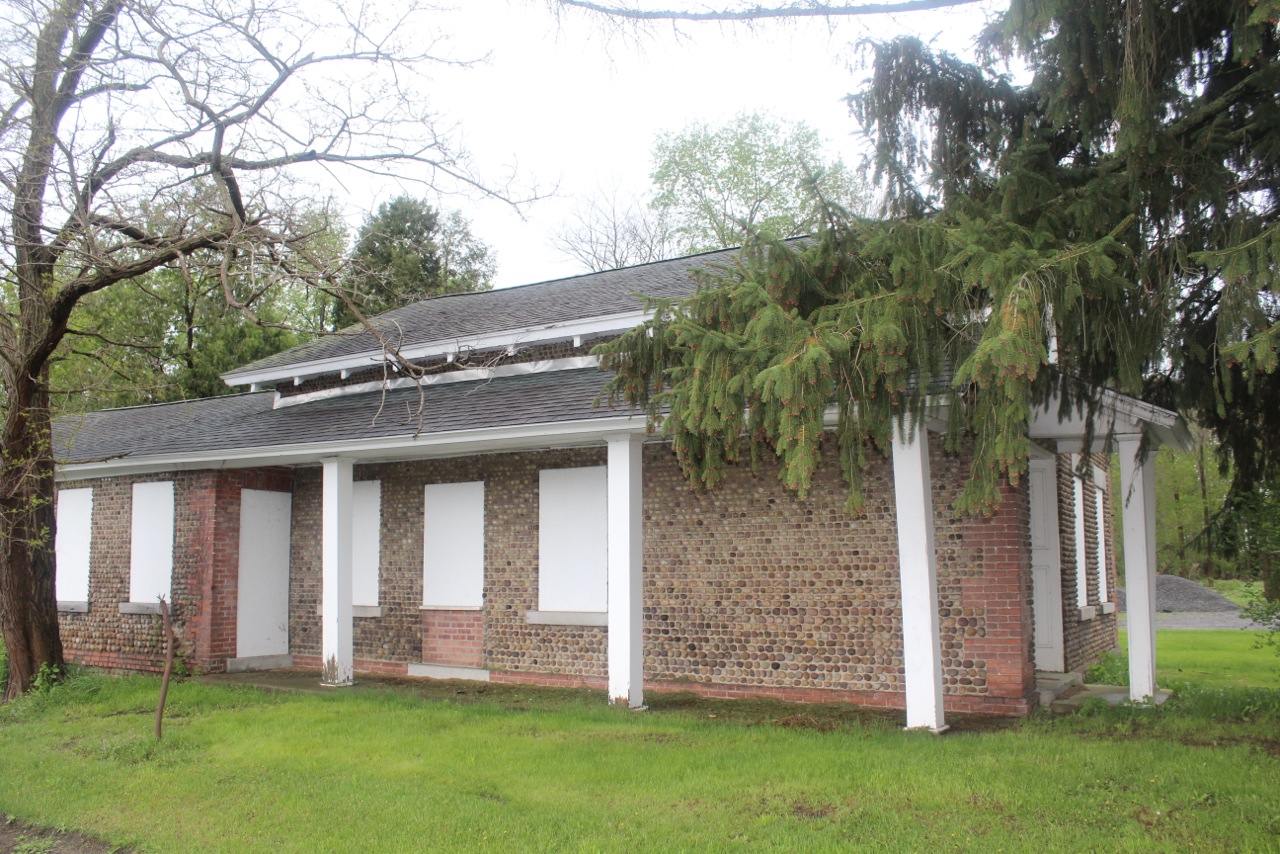 IMG_0615.jpg ¹ | 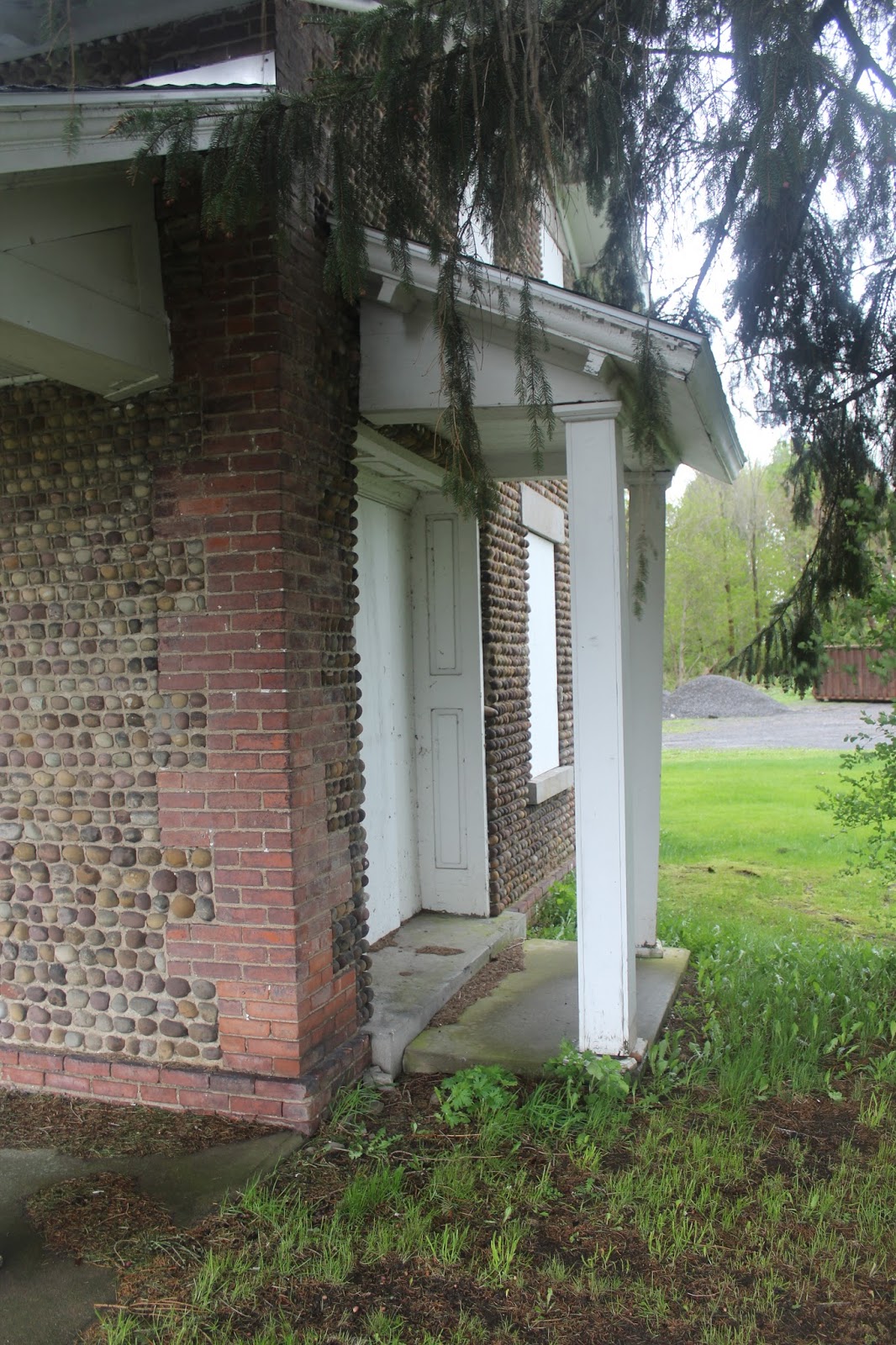 Marcy 3.jpg ¹ | 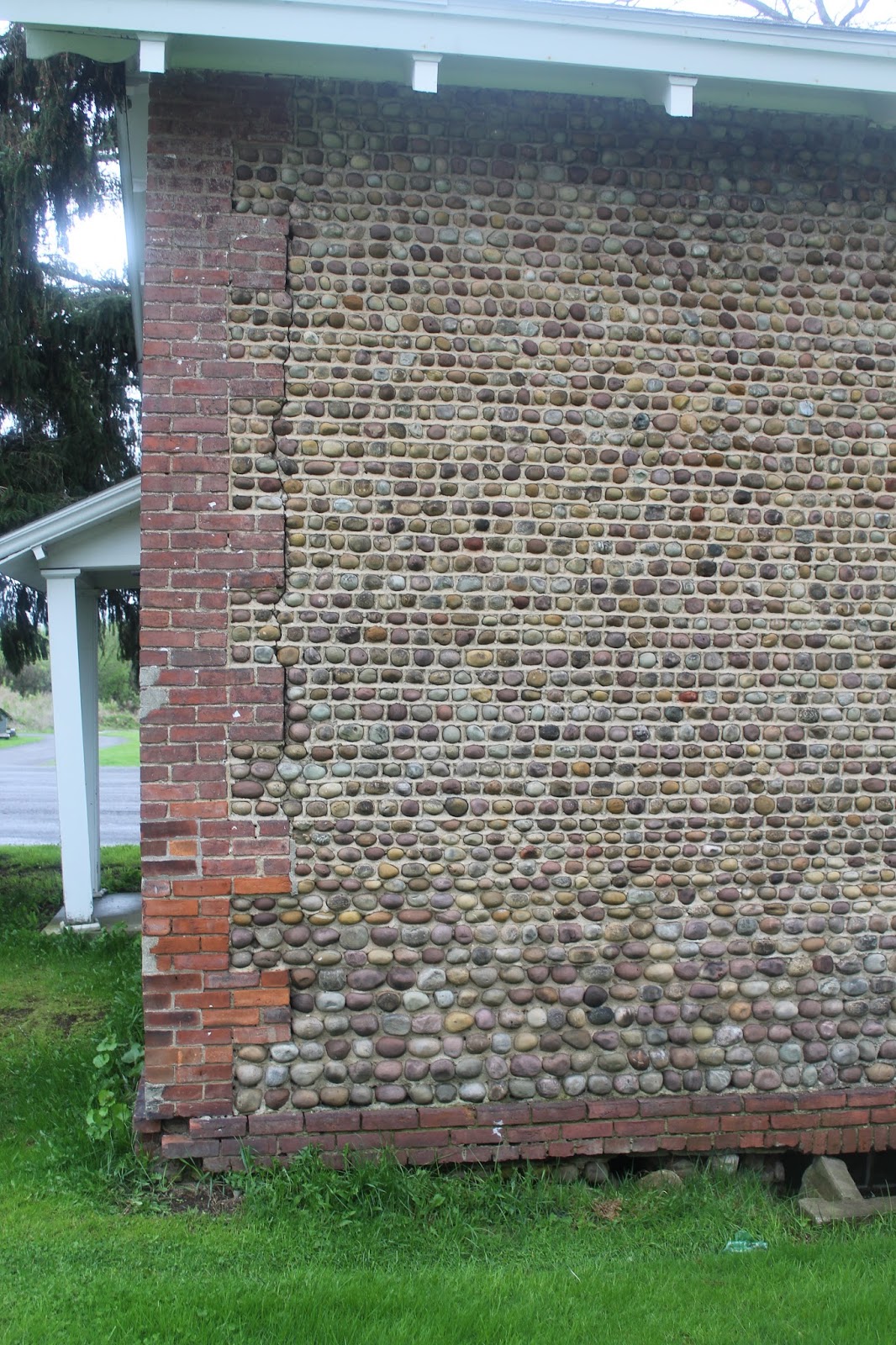 Marcy.jpg ¹ |
¹ Photography courtesy Richard Palmer.
